Articles and resources
Great news for families – from January 2026 the Australian Government is replacing the Child Casre Subsidy activity test to guarantee at least 3 days of subsidised early childhood education and care each week.
This means ALL families will:
- No longer require an activity test
- Families receive 72 hours of care subsidised per fortnight
- Aboriginal and Torres Strait Islander families receive 100 hours of care subsidised per fortnight
Example of benefits
Sarah and Alex are a couple with one child accessing ECEC at 3 days (36 hours) per week. Their combined family income is $90,000 per annum. Sarah works full-time and Alex works 8 hours per week. Previously, they were eligible for 18 hours of subsidised ECEC per week (36 hours per fortnight).
From January 2026, they are eligible for 36 hours per week (72 hours per fortnight).
This saves them $230 per week of care ($11,400 per annum) from their provider charging theaverage Centre-Based Day Care hourly fee.
At Ngala Early Learning, we know family is the most important part of a child’s life and that you are your child’s first and most important teacher. Our Educators are here to support and work with you on decisions that affect your child while they are with us. We value your input in shaping our programs and learning environment and encourage you to share your thoughts and ideas, and to become actively involved in your child’s learning. There are three main ways we facilitate this communication:
Our Family Partnerships Program
Our Family Partnership program is how we work with every family to collaboratively develop an individualised program across the year to enhance your child’s learning journey. Families can request a meeting at any time by talking with their child’s team leader or Service Coordinator.
Seeking regular feedback and input
We welcome your involvement in reviewing our policies, procedures, philosophy, and Quality Improvement Plan, which are available at each early learning service. We read all suggestions and work with families to make improvements wherever they may enhance our environment and learning opportunities. We also provide Family Surveys throughout the year so you can provide day-to-day feedback and suggestion on making our spaces better.
Regular communication throughout the day and beyond
We know you likely have a busy schedule, so we communicate in multiple ways: emails, newsletters, notices, information evenings, special events, and digital platforms like Facebook and Xplor.
We believe good communication is foundational in building strong relationships. Our Educators are committed to providing all our families with updates about children’s learning, experiences and progress during drop-off and pick-up times, so if you have any questions that’s a great time to ask.
We also use our all-in-one family app called Xplor Home. Xplor Home is the best and easiest way to keep track of your child’s day. From the moment you complete your enrolment form, you can utilise Xplor Home to book childcare days, manage your account, and receive regular stories and updates that capture your child’s learning.
A little preparation goes a long way in helping your child feel safe and comfortable when they first come to stay with us. Here’s a handy checklist of things to remember to pack:
- Nappies (if needed) – around 4–6 for the day is usually enough
- Milk bottles (if needed) – if your child is on formula, please pack bottles and measured formula in containers (no tins please!). Breastmilk is also welcome and will be stored safely in our fridge. All bottles should be clearly labelled and please let staff know when the next feed is due. All bottles will be rinsed and returned to the child’s bag. We are unable to sanitise so please bring the full number of bottles needed. If your child needs cow’s milk, we will provide this along with soy and rice milk alternatives.
- Extra clothing – we recommend comfy, SunSmart clothes with covered shoulders that are okay to get messy! Our days are full of hands-on learning like painting, gardening and water play, so a few spare outfits are a good idea.
- Comfy shoes that are good for running in – we recommend closed-toe shoes that are easy to run and play in. If you have a spare pair then feel free to pack those too, just in case they get wet. In winter, pop some gum boots in so we can explore those muddy puddles!
- Comfort item – a clearly labelled dummy, blanket or soft toy can really help if your child needs a little extra comfort during the day. We don’t accept regular toys simply because it becomes too hard to track them, and we wouldn’t want anything to get lost. If your little one is in our babies room and sleeping in a cot, please bring in a sleeping bag for their naps. Once they are out of a cot and sleeping on a floor mattress, only sleeping bags with legs can be accepted for safety reasons.
Please don’t forget to label everything (yes, everything!) with your child’s name to help us keep track of their belongings.
At Ngala we advocate for a child-centred approach that places the child at the centre of the educational process, emphasising their interests, needs, and developmental stages. Our philosophy and practice is guided by many different theories and theorists where the child’s autonomy, curiosity, and active participation in their learning journey is prioritised.
This philosophy is driven by some core beliefs:
- Developing responsive, warm, trusting and respectful relationships with children promotes their wellbeing, self-esteem and sense of security. Positive interactions with children convey to them that they are valued as competent and capable individuals, and children develop confidence in their ability to express themselves, manage their feelings, learn new skills and take risks to extend their capabilities.
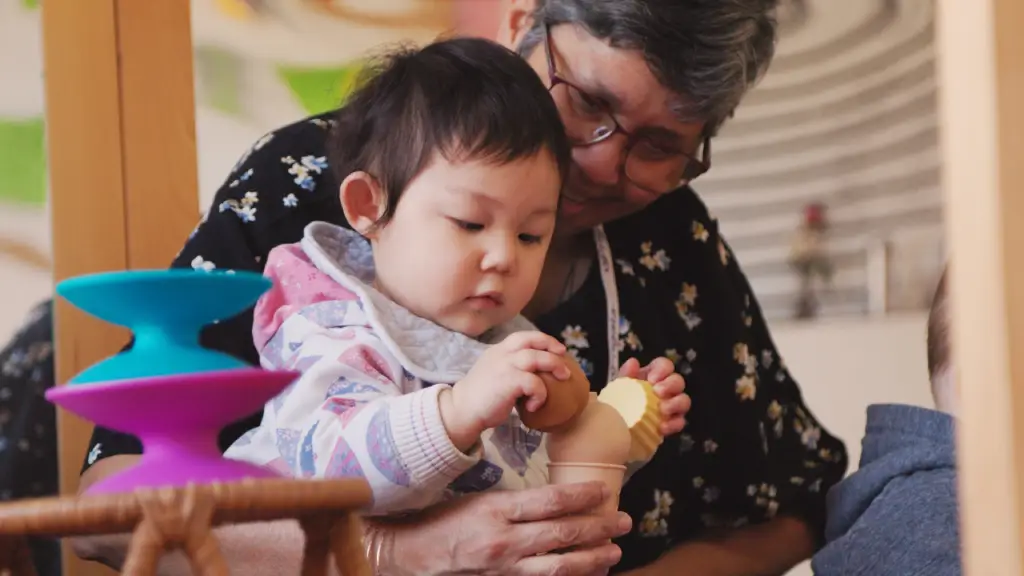
- Positive and responsive one-to-one interactions with babies and toddlers are important for their wellbeing and encourage them to thrive. Babies and toddlers need a secure foundation of trusting relationships with adults before they are ready to explore and learn about their world.
- Older children need assistance from educators and other important adults in their lives to guide their interactions with peers and others as they explore their identity and develop more complex social skills and relationships.
- Educators and other staff develop warm relationships with children, respect children’s opinions, provide children with opportunities to become self-reliant and develop self-esteem, maintain children’s dignity and rights, and provide children with positive guidance and support towards managing their own behaviour.
How you’ll see this philosophy brought to life in our Centres.
Children making choices:
Our learning environments remain available all day, allowing children to choose when and where they play. We don’t rush children from one activity to another, rather they’re given the time and space to focus, practise, and master new skills at their own pace.
Progressive mealtimes:
We aim to provide a home-like environment as much as possible, so you will see children invited individually to meal times, and meal times offered in small groups. This is so we can support the children and Educators to engage in lovely social interactions, while also learning vital self-help skills.
Consistent, safe learning environments:
We aim to make every child feel safe and secure, and one way to achieve this is to provide consistent environments. You can expect to see small changes made to the play areas over the fortnight, but we avoid making large changes so the children can locate resources, and have time to master their learning. So things don’t get boring, we also ensure there is a wide variety of play offered every day.
Open-ended art experiences:
We provide a rich art curriculum each day where children are encouraged to work on developmental skills however they choose to express them. You can expect to see some wonderful art exploration, but you will never see children all bringing home the exact same creation (when you see this you know the adult has more input into the art than the child!).
Messy play and sensory exploration:
Young children are very tactile and learn through the use of all their senses. Child development theories focus on the need for children to touch and investigate, which is why we encourage all ranges of messy play, including painting, mud play and water play.
Lots of outdoor play:
The doors between the indoor and outdoor environments are open for the majority of the day so children can make their own choices about where to play. It also allows us to facilitate small group play where educators can engage in meaningful interactions and teaching moments.
Intentional teaching:
Educators take great care in planning the resources and learning environments. They then use strategies such as open-ended questioning, role modelling and scaffolding to enrich each child’s learning.
One of the big concerns parents often have when starting child care for the first time is whether their child will get sick. For many children, the answer is yes – they probably will pick up a few bugs, especially in the early weeks. It’s a totally normal part of adjusting to a new environment.
For many little ones, this is the first time they’re spending long periods around large groups of other children. Their immune systems are still developing, and exposure to new germs is part of how they build their defences. While we can’t prevent every cold, we can work together to reduce the risk and support your child’s health.
Here’s what we do at our centres services to help stop the spread of illness, and what our parents can do to support our efforts:
Encouraging good hygiene at all times
We help children learn and practise healthy habits from day one, like washing hands before meals, after toileting, and after sneezing or wiping noses. We also teach them to cover their mouths when coughing or sneezing and use tissues properly. These routines are part of our everyday care and help prevent germs from spreading.
Maintaining strict cleaning practices
Our team follows strict cleaning and sanitising routines throughout the day. Toys, surfaces, and shared equipment are cleaned regularly, and extra attention is paid to high-touch areas like door handles and bathrooms.
Acting on the early signs of illness
Our educators are trained to spot when a child isn’t feeling well. If we notice your child showing early signs of illness, such as a runny nose, cough, fever or tiredness, we’ll let you know straight away so we can work together to manage it quickly and effectively. Children who present with a fever, rash, vomiting, diarrhea will be sent home following an exclusion period.
Sending sick children home
To protect the whole group, children who are unwell are asked to stay home until they’re well enough to return. This reduces the risk of spreading infection and helps your child rest and recover properly before coming back to care. Children with contagious illnesses will be asked to provide a medical clearance before they can return.
Ensuring up to date immunisation
We follow government guidelines on immunisation, and it’s a requirement of our service that children attending care are up-to-date with their vaccinations. This helps protect not only your child but other children who may be more vulnerable.
There are also things you can do at home to boost your little one’s immune system and help them fight off any infections they may be exposed to.
Please keep unwell children home
If your child is unwell, even with something mild like a runny nose or cough, it’s best to let them rest at home. This helps them recover faster and keeps others from getting sick too.
Be prepared for some sickness in the first couple of weeks
In those early days, your child may be more likely to catch minor bugs. It’s a good idea to plan ahead and have some time set aside for rest days just in case, and try not to pack too much into the calendar in the first few weeks of care.
Try to get plenty of sleep at home
A good night’s sleep helps the body stay strong and fight off infection. Keeping a consistent bedtime routine at home can make a big difference to your child’s health and energy levels.
Plenty of good nutritious food.
Lots of colourful fruits and veggies, whole grains, and protein-rich foods help fuel your child’s body and support their immune system. A healthy, balanced diet is one of the best things you can offer to help them stay well.
While we can’t promise your child won’t get sick, we’re committed to working together with you to keep everyone as healthy as possible. If you ever have any concerns or questions about your child’s health at care, please feel free to speak to our team – we’re always here to help.
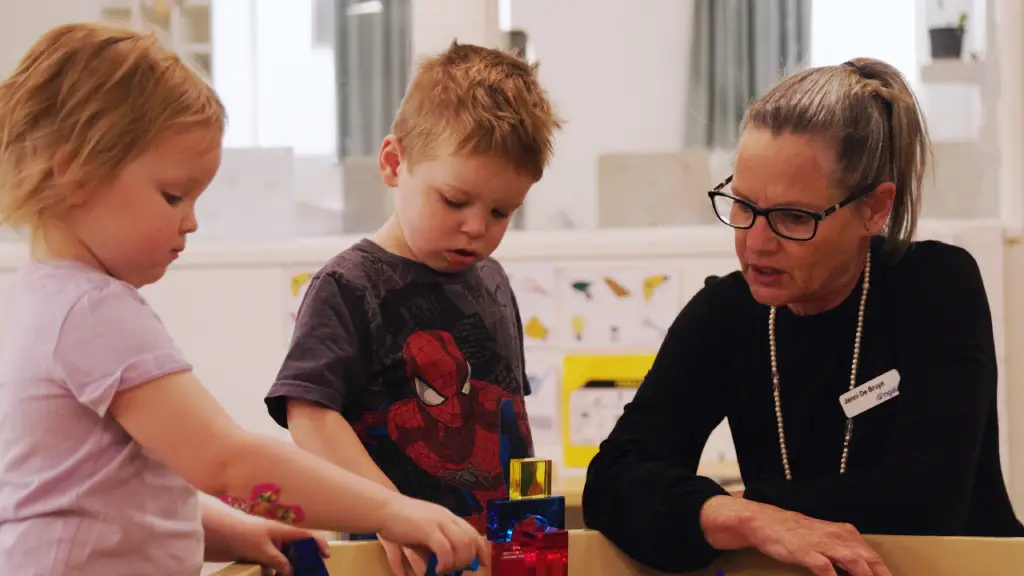
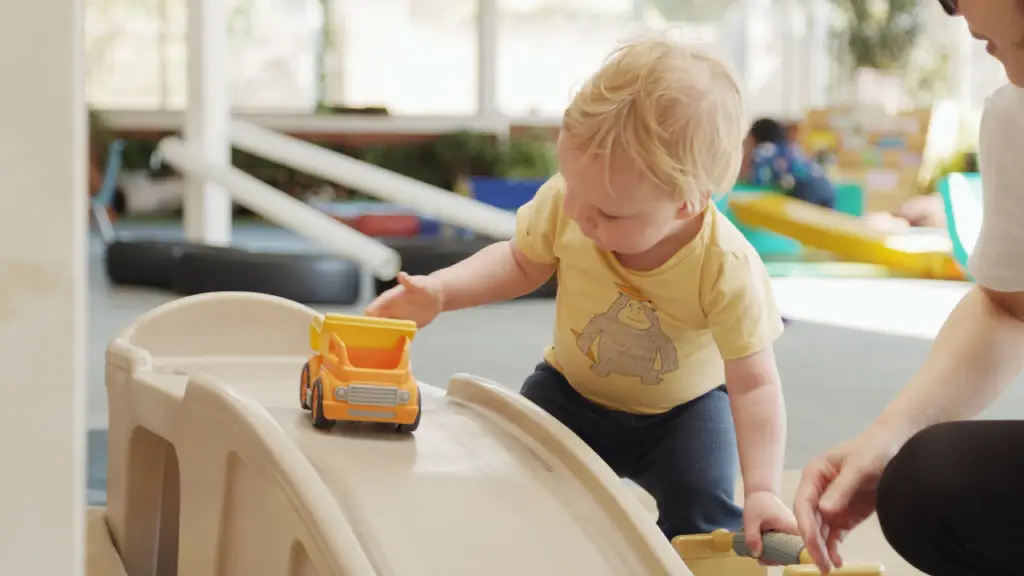
At Ngala we believe children’s days should be fun and joyful. We work with parents and children to individualise their days and make sure they are doing things that make them happy and stimulate their development. All of our spaces and activities are designed with this in mind, supported by the knowledge that purposeful play-based experiences are the key to children’s learning and development.
A range of play-based learning activities for them to choose from.
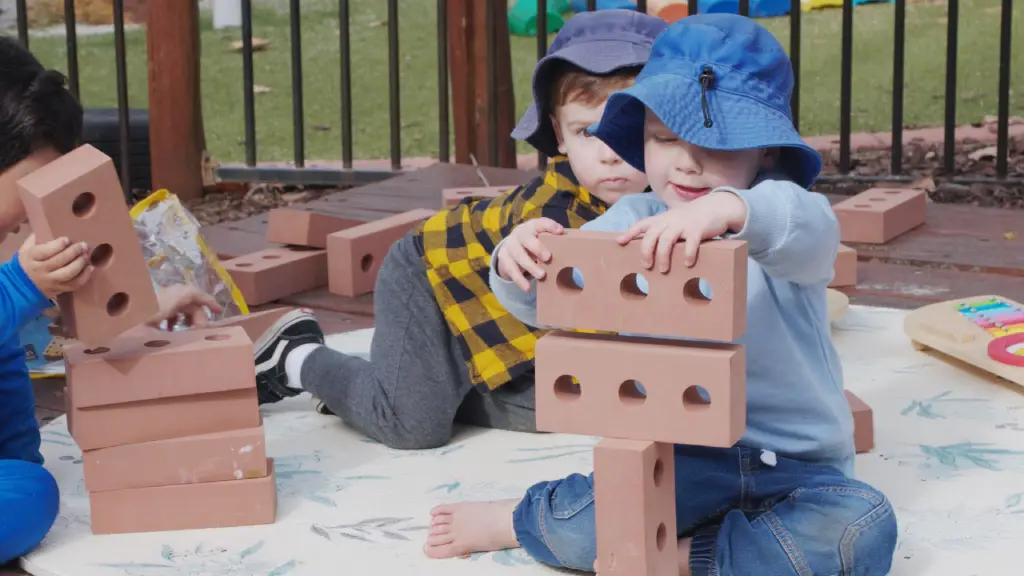
At Ngala we plan our play environments by noticing each child’s interest and curiosity and providing resources to support and extend their learning and development. We provide large segments of uninterrupted time for each child to be able to experiment, practice and master skills they are interested in learning. Children are active learners, so we set up play experiences and environments that enable them to be actively learning, whilst having educators close by to encourage, build on their strengths, talk through challenges and risks, celebrate successes and intentionally teach skills, if that is needed.
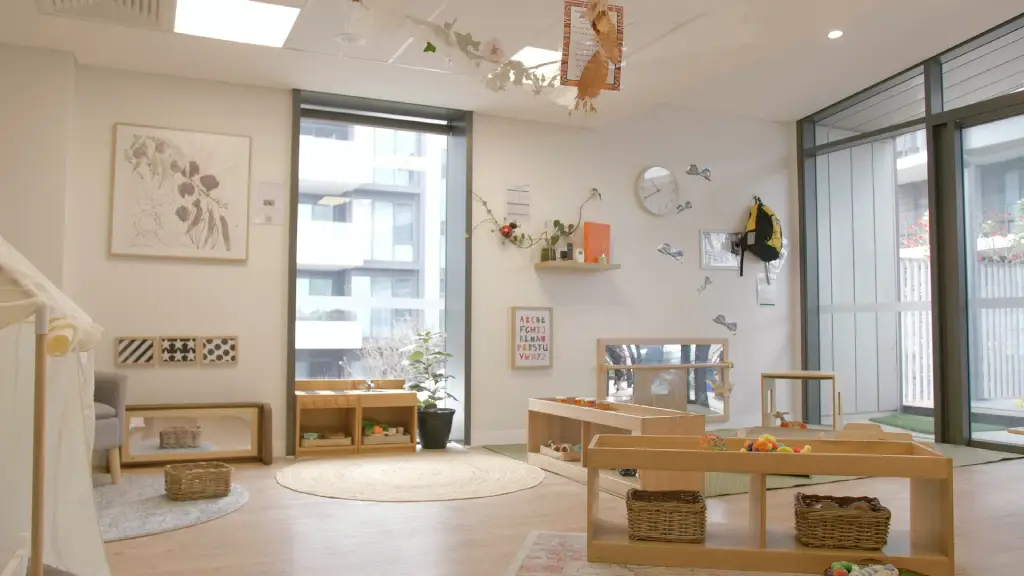
Beautiful spaces both inside and outside for them to play in.
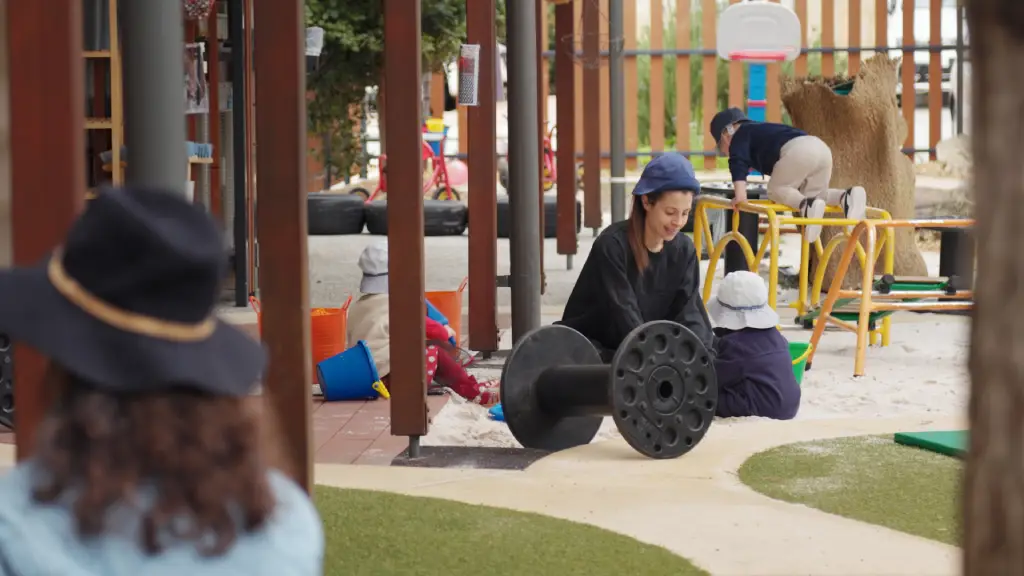
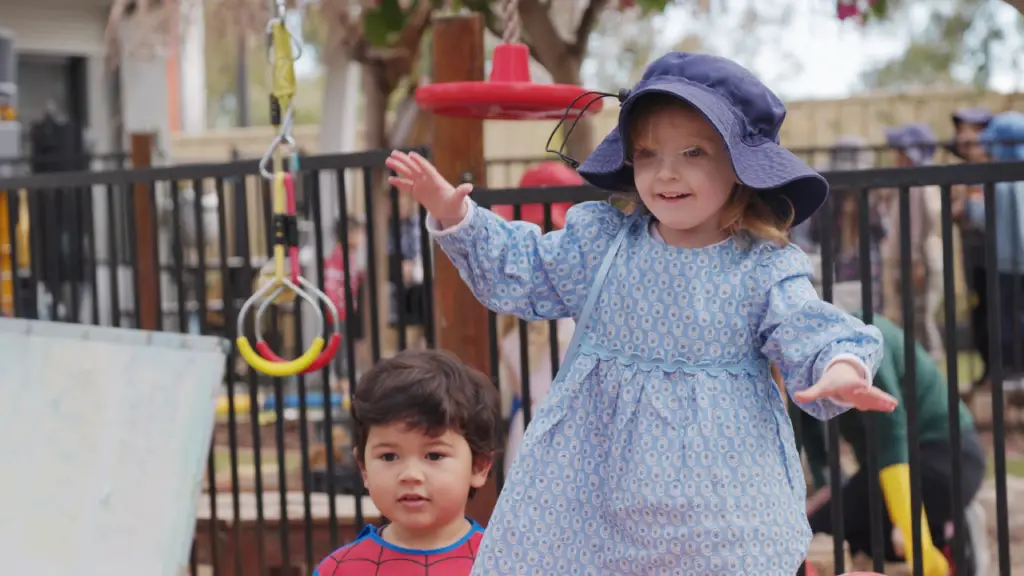
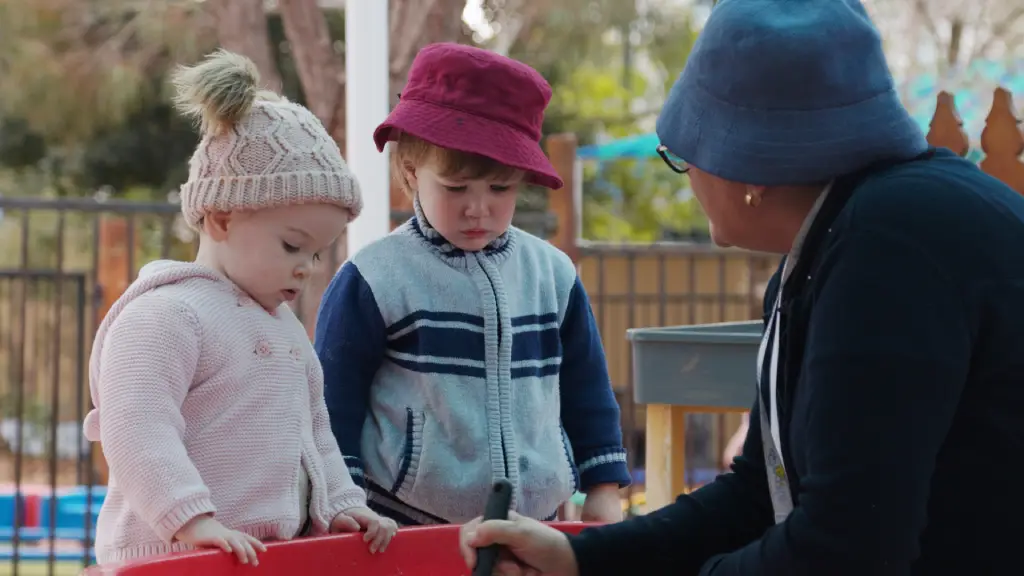
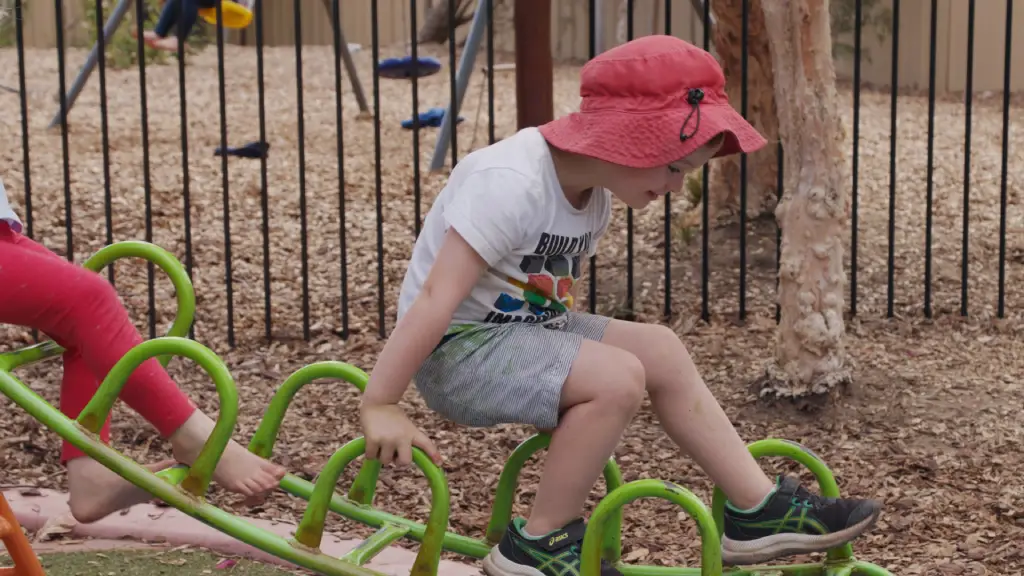
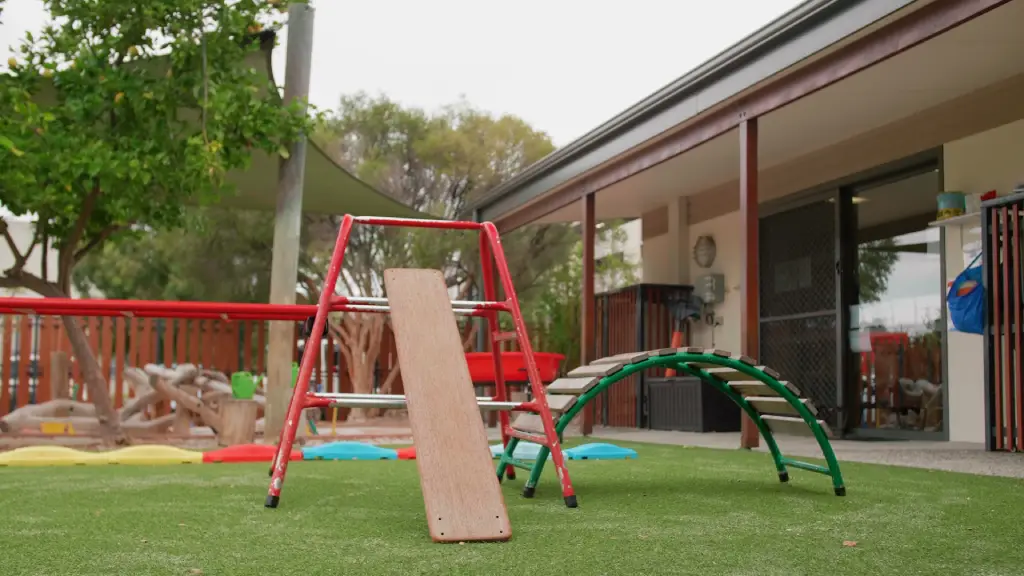
At Ngala we aren’t afraid of getting dirty! Nature and outdoor play are important parts of our day and the door between indoor and outdoor play spaces is always open for the child to decide where they would like to spend their time. Of course, when it is raining and chilly we rug children up with jumpers, raincoats and gumboots, and when the sun’s out we always wear hats and apply sunscreen.
A flexible routine that suits them.
Our routines vary depending on the needs of each child and the room they are in. We also acknowledge that for little ones every day can be different, so will respond to the needs of each child on each day. Throughout the day, children will sleep when they wouldthey normally would sleep at home. We also have:
- Morning tea around 8.30ish
- Lunch around 11ish
- Afternoon tea around 2ish
As your little one is about to start child care you might all be feeling excited, curious and maybe a tad nervous too. Don’t worry, these are all perfectly normal feelings and we’re here to support you and your child at every step, starting with some information that might help make day one a little smoother.
Talk with them before the day to prepare and encourage them.
The more your little one knows what to expect, the easier the change will be. Tell them what is happening and why and be straight-forward and honest that you won’t be there with them. Remind them that everything will be okay and you’ll be close by if you need. Make sure to focus on the positive aspects of their stay, like all the friends they will meet and all the fun activities they will get to do.
Organise a visit to get to know the space.
To help make the transition easier, you can book a short some orientation visits before your officially start date. This is a great way for you and your child to get to know the centreservice, meet our friendly educators, and start feeling more at home. You’re welcome to stay during orientation as having you nearby often helps your child settle in more comfortably.
Support them on day one by being calm and confident yourself.
How you behave on day one can greatly impact how your child feels. No matter how you feel inside, try to be confident and excited – they will mimic your energy. Say goodbye confidently and remind them you will be back later to pick them up and take them back home. It’s also good to give yourself plenty of time in the first few days and weeks so you aren’t having to rush off if your child feels uneasy.
How our team help your little one settle in.
Our team know what you’re going through and have helped many families to make this transition as smooth and positive as possible for everyone. Rest assured we’ll give your child special attention and do everything we can to make sure they are happy and having a great time. Here are some of the things we do to help new starters settle in.
- We’ll make sure to do things they love. We’ll be guided by them in these early days and spend time doing the activities they enjoy the most. This helps them feel safe and secure and begin to enjoy their time with us.
- We can use a gradual introduction process. To help your child feel at ease, we offer a gradual introduction period. This includes shorter orientation visits that gradually increase in duration, allowing your child to become familiar with their new environments, educators and friends.
- We’ll talk to each other to make sure everything is on track: We encourage open and ongoing communication. Please share any concerns or specific information about your child that could help us provide the best support, and if we notice something that might help them settle in, we’ll pass that on for you to consider.
- We’ll use positive reinforcement: Our Educators use positive reinforcement to encourage your child’s confidence and social interaction. We celebrate small milestones and support your child in building new friendships.
Staying Connected
We know how important it is for you to stay connected. That’s why we’ll send you updates and photos through Xplor so you can see how your child is settling in.
Remember, if you’re feeling anxious you can call us and ask how your little one is going at any time during the day.
We’re so excited to welcome your child into our learning community. Please reach out if you have any questions or would like to talk more about how we can support your family during this transition. We look forward to getting to know you!
Discover programs and resources designed to support parents in their journey, offering guidance, workshops, and community connections.
Lorem ipsum dolor sit amet, consectetur adipiscing elit, sed do eiusmod tempor incididunt ut labore et dolore magna aliqua.
Nature play enriches childhood with movement, with imagination, with friendship, and with all the sensory wonder that nature brings.